
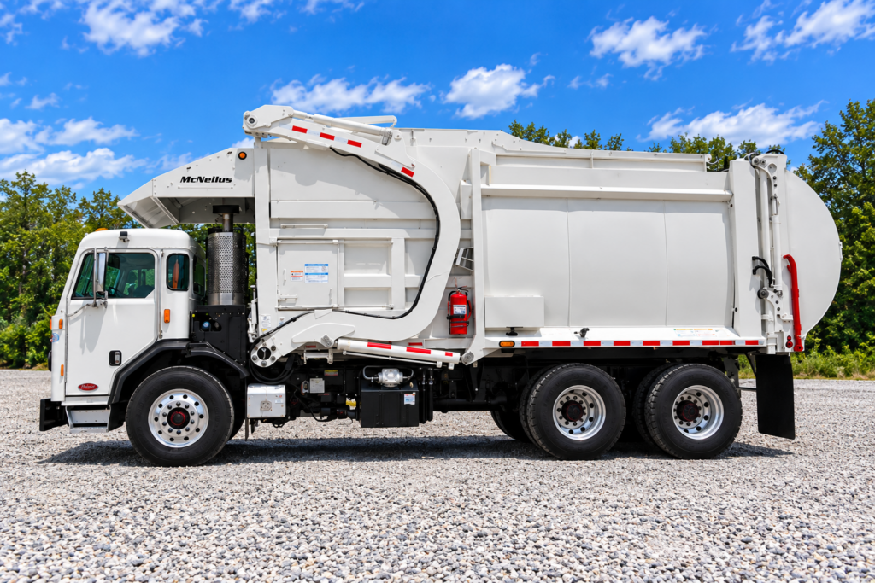
Refuse collection trucks operate in demanding environments. They experience repeated lifting cycles, heavy loads, vibration, exposure to moisture, and regular travel through busy commercial areas. Without proper maintenance, these conditions can contribute to component wear, unexpected repairs, and costly downtime.
For waste management companies, keeping vehicles in good condition is essential to maintaining collection schedules and protecting their equipment investments. McNeilus front loaders are designed for demanding commercial and residential applications, but their performance still depends on regular inspections and responsible operation. A structured maintenance routine can help fleet operators identify problems early and support reliable service.
Establish a Daily Inspection Routine
Daily inspections are among the simplest ways to identify developing equipment problems. Drivers should check their assigned trucks before starting collection routes and report any unusual conditions.
A basic inspection should include tires, lights, mirrors, brakes, visible hydraulic lines, body panels, lifting arms, and other accessible components. Operators should look for fluid leaks, loose connections, damaged parts, unusual noises, and warning indicators.
The truck should also be checked for visible damage around the hopper, tailgate, and lifting equipment. Any condition that may affect safe operation should be reported before the vehicle is placed into service.
Following a consistent checklist helps ensure that important inspection tasks are not overlooked during busy workdays.
Monitor the Hydraulic System
Hydraulic systems play a major role in front-loader operation. They provide the power needed for lifting arms, packing mechanisms, and other equipment functions.
Fleet maintenance teams should check hydraulic fluid levels according to the manufacturer’s procedures and inspect accessible hoses, fittings, cylinders, and connections for signs of leakage or damage.
Hydraulic fluid condition also matters. Contamination can affect component performance and contribute to premature wear. Use the specified fluid and follow the recommended replacement and filtration intervals.
Any unusual movement, excessive noise, slow operation, or visible leak should be investigated by a qualified technician. Operators should never attempt repairs on pressurized hydraulic components without the proper training and safety procedures.
Inspect the Lifting Arms and Forks
The lifting system experiences repeated stress during daily collection. Arms, forks, pins, bushings, welds, and related components should be inspected regularly.
Look for visible cracks, bending, excessive play, damaged lifting points, or unusual movement. Check that the equipment operates smoothly and that containers can be lifted without unexpected noise or vibration.
Damaged dumpsters can also affect lifting performance. Containers should be compatible with the truck and maintained in suitable condition.
McNeilus front loader configurations may include different lifting options, so inspection procedures should follow the specific equipment documentation. If any structural damage is found, the vehicle should be evaluated by qualified service personnel before further use.
Maintain the Packing System
The packing mechanism is responsible for moving and compressing collected waste inside the truck body. Its condition can influence the truck’s ability to use available capacity efficiently.
McNeilus front loaders use Excalibre packing cylinders featuring a patented tool steel shaver and nitrided rods. These components are designed to resist wear and corrosion and help reduce hydraulic contamination.
Even with these design features, regular inspection is necessary. Maintenance personnel should check for visible leaks, abnormal movement, damaged seals, and other signs of wear. Packing components should be operated according to manufacturer instructions, and unusual performance should be investigated promptly.
Keeping the packing system in good condition can help maintain consistent operation and reduce the risk of avoidable interruptions.
Keep the Headframe and Components Clean
The headframe area contains important hydraulic and electrical components. Dirt, accumulated refuse, and other debris can make inspections more difficult and may interfere with access to service points.
McNeilus front loaders feature a clean headframe design intended to improve serviceability and provide better protection for hydraulic and electrical components.
Maintenance teams should follow approved cleaning procedures and avoid directing high-pressure water at sensitive electrical connections or components that are not designed for that exposure. Cleaning should be performed with the vehicle safely positioned and secured.
A clean work area also makes it easier to identify fluid leaks, damaged hoses, and loose connections during inspections.
Check Electrical Systems and Diagnostic Messages
Modern refuse trucks depend on electrical systems for controls, sensors, lighting, and other functions. A small electrical problem can sometimes affect equipment operation or produce warning messages.
McNeilus offers its CODE controls system on front loader models. The system provides diagnostic and troubleshooting information that can help operators and technicians investigate equipment conditions.
Drivers should pay attention to warning indicators and report unexpected messages. Maintenance teams should document recurring alerts and follow the manufacturer’s troubleshooting procedures.
Electrical connections, wiring, switches, and sensors should be inspected by qualified personnel when faults are suspected. Avoid repeatedly resetting warnings without understanding the underlying cause.
Follow Chassis Maintenance Requirements
The chassis must also receive regular attention. Engine oil, transmission fluid, coolant, filters, brakes, suspension, tires, and steering components should be serviced according to the chassis manufacturer’s recommendations.
Because McNeilus front loaders may be built on different chassis platforms, maintenance requirements can vary. Fleet managers should keep the correct service documentation for each vehicle and follow the applicable schedules.
Tire pressure and tread condition deserve particular attention because refuse trucks operate with changing loads and frequent stops. Brake inspections are equally important because collection routes often involve repeated braking in traffic and at customer locations.
Create a Preventive Maintenance Schedule
A preventive maintenance schedule organizes inspections and servicing according to time, mileage, engine hours, or operating cycles. It helps fleet managers plan maintenance instead of waiting for components to fail.
The schedule should include daily checks, periodic inspections, fluid and filter changes, lubrication where required, and professional servicing. Maintenance records should include dates, reported problems, completed repairs, replaced parts, and upcoming service requirements.
These records can reveal recurring problems and help managers identify vehicles that need additional attention. They can also support more accurate budgeting for repairs and replacement components.
Train Drivers to Protect Equipment
Driver behavior can influence the condition of a refuse truck. Aggressive operation, incorrect container positioning, overloading, and ignoring warning messages can increase wear or create safety risks.
Drivers should receive training on the truck’s lifting system, packing controls, operating limits, inspection procedures, and emergency response steps. They should understand how to position the vehicle correctly and avoid lifting incompatible or damaged containers.
A workplace culture that encourages drivers to report problems promptly can help prevent small issues from becoming larger repairs.
Work With Qualified Service Professionals
Some maintenance tasks require specialized tools, technical knowledge, and manufacturer-approved procedures. Hydraulic repairs, structural work, electrical troubleshooting, and major chassis repairs should be handled by qualified technicians.
Atlantic Heavy Duty provides refuse truck service and parts support alongside equipment sales. Businesses operating McNeilus vehicles can contact an appropriate service provider to discuss maintenance needs, replacement components, and repair requirements.
Using suitable parts and following the correct procedures can help protect equipment performance and support dependable operation.
Conclusion
Keeping McNeilus front loaders in good condition requires consistent inspections, hydraulic system care, lifting equipment checks, packing system maintenance, electrical diagnostics, and chassis servicing. A preventive maintenance schedule combined with driver training can help reduce avoidable downtime and protect the vehicle’s working life. Businesses should follow the manufacturer’s instructions and use qualified technicians for repairs that require specialized expertise. With appropriate service planning and support from Atlantic Heavy Duty, fleet operators can take a more organized approach to maintaining their refuse collection equipment.