
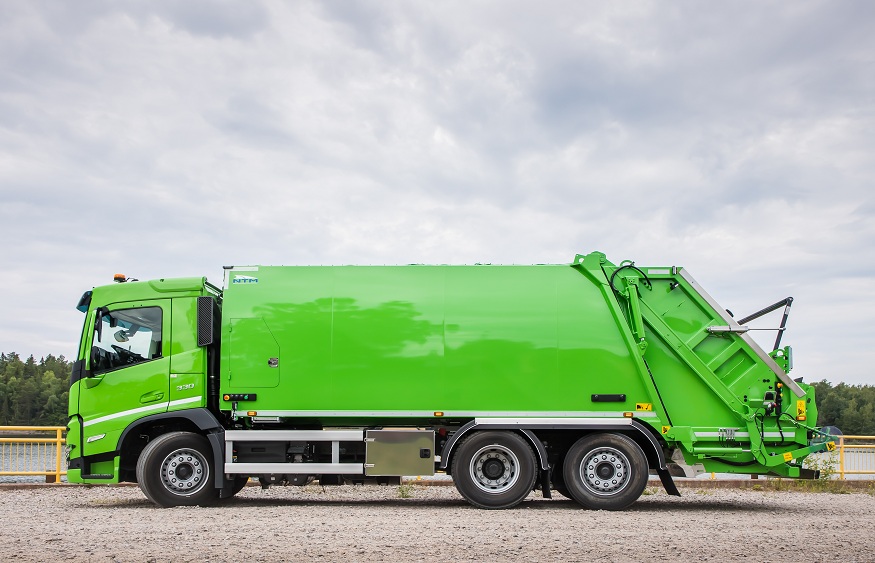
Refuse trucks are essential vehicles in modern waste management because they collect, compact, and transport waste from residential, commercial, and municipal locations. These vehicles must perform demanding tasks while supporting safe and organized collection activities. Choosing the right equipment requires an understanding of vehicle configurations, loading arrangements, hydraulic systems, capacity, and available technology. McNeilus refuse trucks offer different options designed to support the operational requirements of waste management companies.
Different Body Configurations
One of the most important features to consider when evaluating refuse trucks is the body configuration. Different collection environments require different loading arrangements.
Front loaders are commonly used for commercial waste collection because they can lift compatible containers from the front of the vehicle. Rear loaders support residential and commercial applications where waste is loaded through the back. Side loaders can provide mechanized collection for compatible curbside containers.
McNeilus offers several refuse truck configurations that businesses can evaluate according to their service requirements. Choosing the right body arrangement helps companies match equipment with their collection routes and container systems.
Rear Loading Equipment
Rear loading systems are commonly used in residential waste collection and certain commercial applications. These vehicles allow waste to be loaded through the rear opening, where it can be moved into the collection body using the installed equipment.
Read More : Used Rear Loader for Sale: What to Check Before Buying
Businesses considering rear loader refuse trucks should examine the loading arrangement, compaction system, body capacity, and operator controls.
The condition of the loading mechanism is especially important for used vehicle buyers. Regular inspection helps identify worn components and potential mechanical problems before they interrupt collection operations.
McNeilus rear loader configurations provide options that waste management companies can evaluate for different collection environments.
Hydraulic Systems and Compaction
Hydraulic systems play a major role in many refuse truck configurations. They provide the power needed for lifting mechanisms, compaction equipment, and other mechanical functions.
The hydraulic system must operate consistently because collection equipment performs repeated movements throughout the working day. Fluid condition, hose connections, cylinders, and seals should be inspected according to recommended maintenance procedures.
Compaction systems also influence how waste is managed inside the vehicle. Properly functioning equipment helps make effective use of available body space, although actual capacity depends on the material collected and vehicle specifications.
Chassis and Powertrain Features
The chassis provides the foundation for the complete refuse truck. It supports the collection body, powertrain, suspension, and other major vehicle systems.
Buyers should review engine specifications, transmission options, axle ratings, braking systems, and suspension requirements before selecting a truck.
The powertrain must be suitable for the vehicle’s intended workload, including frequent stops, heavy loads, and changing road conditions. Fleet managers should compare manufacturer specifications rather than relying only on general performance descriptions.
A properly matched chassis and refuse body can support dependable operation and help businesses manage their collection requirements.
Cab Design and Operator Controls
Drivers spend considerable time operating refuse trucks, so cab design and control accessibility are important considerations.
Visibility, seating arrangements, mirrors, control placement, and dashboard information can influence the operator experience. Businesses should examine these features when comparing different vehicle models.
Operators also need to understand the functions of loading controls and installed safety equipment. Proper training helps employees use the vehicle responsibly and identify potential problems.
Safety and Visibility Equipment
Waste collection often takes place in busy neighborhoods, commercial facilities, and public roads. Drivers must remain aware of pedestrians, other vehicles, collection crews, and nearby obstacles.
Depending on the vehicle configuration, safety equipment may include backup alarms, cameras, warning lights, mirrors, and other visibility systems.
Companies should inspect installed safety features regularly and ensure that employees understand their proper use. Daily inspections can help identify damaged lights, malfunctioning alarms, and other conditions requiring attention.
Vehicle Capacity and Collection Requirements
Vehicle capacity is an important factor when selecting refuse trucks. A truck should have sufficient capacity for its assigned routes without exceeding applicable weight limitations.
Companies should consider the body size, payload rating, chassis configuration, and type of waste being collected.
Businesses comparing rear loader refuse trucks should also consider how the loading arrangement and compaction equipment fit their collection requirements.
Choosing the right capacity can help reduce unnecessary disposal trips and improve route planning.
Maintenance and Replacement Components
Every refuse truck requires regular maintenance to support reliable operation. Hydraulic systems, brakes, tires, electrical components, loading equipment, and structural parts should receive appropriate attention.
When replacement components are needed, technicians should verify the vehicle model and applicable part numbers before ordering.
McNeilus companies and their dealership networks can be relevant resources when researching available equipment support and replacement component options.
Ten-8 Industrial is an independent McNeilus dealer offering refuse and recycling vehicle sales, parts, and service support in Alabama, Florida, Georgia, and Mississippi. Businesses in these areas can evaluate its services when researching maintenance support.
Electric Vehicle Technology
Electric powertrains are becoming increasingly relevant in commercial vehicle discussions. McNeilus has introduced its Volterra electric refuse vehicle platform, which provides an alternative to conventional diesel-powered collection vehicles.
Electric refuse trucks may offer quieter operation and reduced local tailpipe emissions. However, businesses should evaluate battery range, charging infrastructure, route length, payload requirements, and operating costs before choosing an electric configuration.
Read More : Essential Maintenance Tips for Keeping McNeilus Front Loaders in Top Condition
The most appropriate powertrain depends on the company’s collection environment and available charging resources.
Conclusion
McNeilus refuse trucks offer different features and configurations designed to support a variety of waste collection applications. Important considerations include loading arrangements, hydraulic systems, compaction equipment, chassis specifications, operator controls, safety features, and vehicle capacity.
Businesses should compare these features according to their operational requirements rather than focusing on a single specification. Whether evaluating rear loader refuse trucks or other collection configurations, proper maintenance and access to suitable parts remain essential. Ten-8 Industrial provides relevant dealer support in its authorized territory, helping businesses research vehicle sales, service, and parts requirements.